




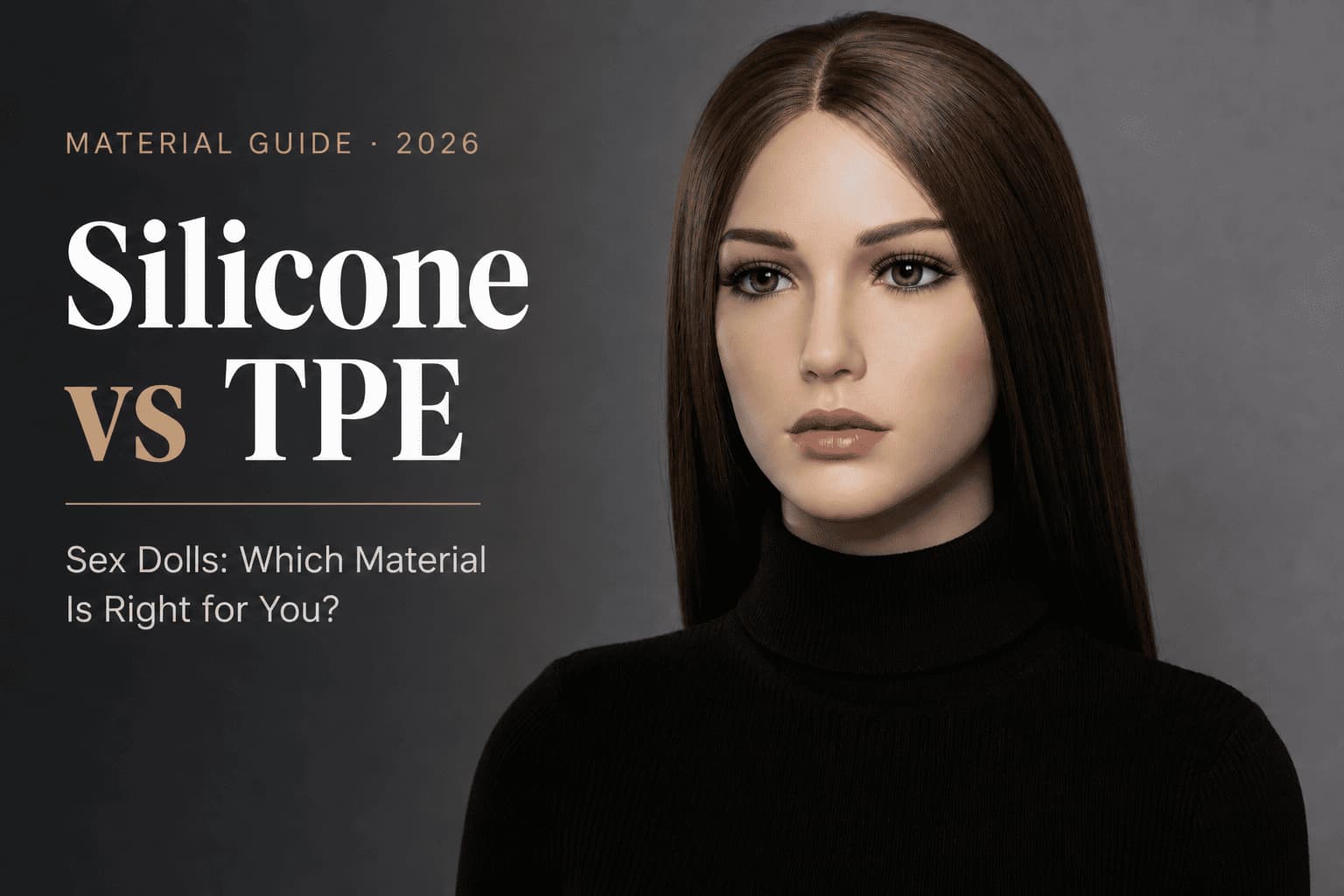
“Silicone or TPE?” is the first real decision most buyers face, and the internet makes it more confusing than it needs to be. Here’s the honest version. Both materials are body-safe, both are built on the same articulated skeleton, and both come out of the same molds — so this isn’t real versus fake. Almost every practical difference between them traces back to one physical fact, and once you know which of three things you care about most — feel, upkeep, or price — the answer picks itself.
Is TPE porous? Yes — and that one fact explains everything
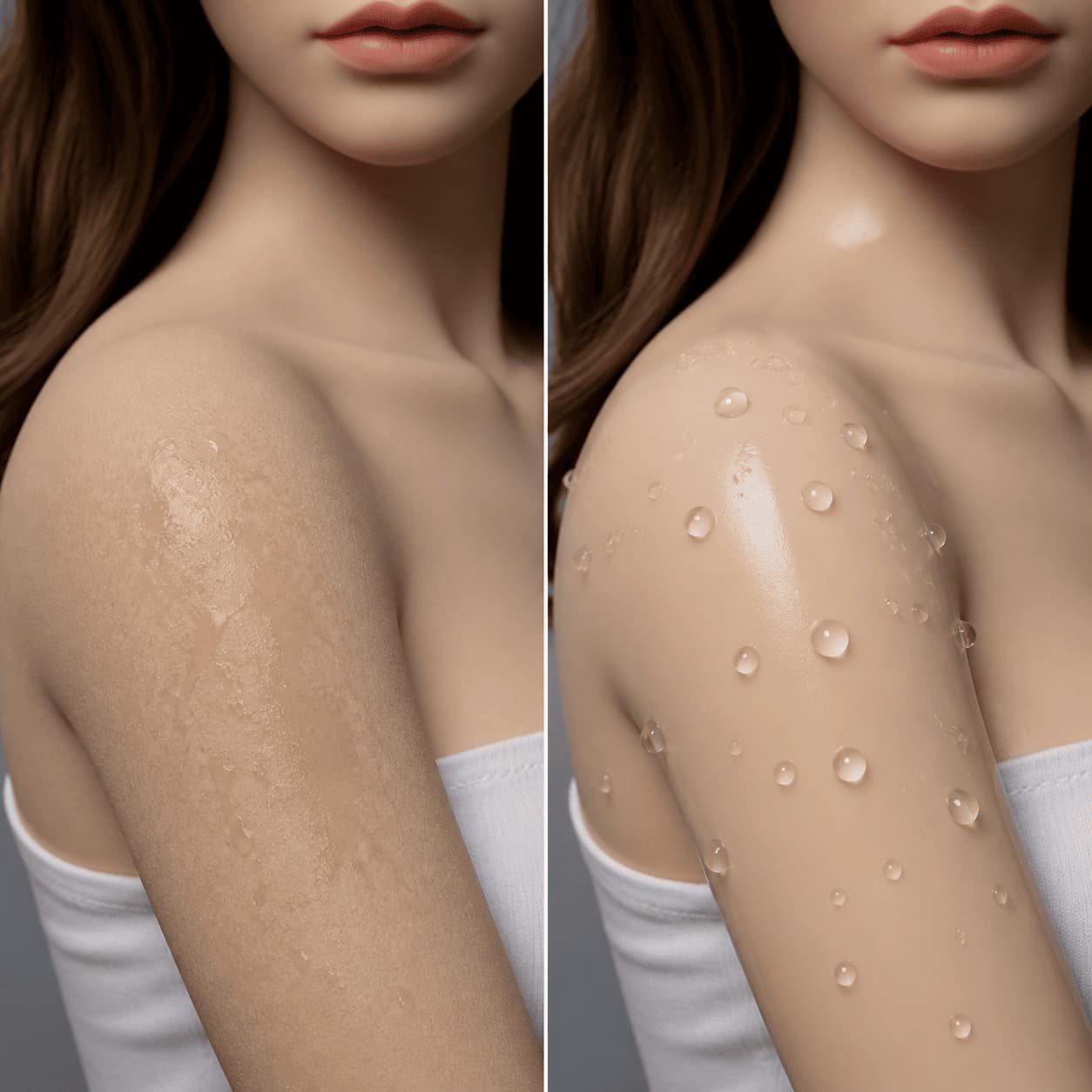
TPE (thermoplastic elastomer) is porous. Platinum silicone is non-porous. That single difference drives nearly every other comparison you’ll read.
 Because TPE is porous, its surface holds microscopic amounts of moisture. That’s why TPE feels softer and more skin-like, but also why it needs careful drying after every wash, stains more easily from dark or dyed fabric, and benefits from a light dusting of renewal powder to stay in good condition. Because silicone is non-porous, it wipes clean, resists stains, can be sanitized with hot water, tolerates heat, and simply asks less of you over time — at a higher price.
Everything below is a consequence of those two words: porous and non-porous.
Silicone vs TPE: side-by-side comparison
| Factor | TPE | Platinum silicone |
|---|---|---|
| Feel | Softer, more give, more skin-like squeeze | Firmer, more defined |
| Detail | Good, slightly softer features | Sharpest facial and skin detail, holds it for years |
| Cleaning | Porous — needs thorough drying and periodic powdering | Non-porous — wipes clean, sanitizes easily |
| Staining | Marks easily from dark clothing | Stain-resistant |
| Heat | Heat-sensitive, can deform; use heating carefully | Heat-resistant; safe with heating systems and hot-water cleaning |
| Durability | Good with maintenance | Longer-lasting with less effort |
| Odour | Faint scent when new for some units | Effectively odourless |
| Price | The more affordable option | A clear step up |
TPE sex dolls: pros and cons
Pros: softer, more lifelike squeeze; the most affordable full-body option; more give in the chest and thighs, which most first-time buyers prefer.
Cons: porous, so it needs real upkeep — thorough drying, careful storage, occasional powdering; stains more easily; heat-sensitive; finest detail is a small step behind silicone.
Best for: first-time buyers, tighter budgets, and anyone who ranks a soft, realistic feel above everything else. Browse the TPE range.
Silicone sex dolls: pros and cons
Pros: non-porous and easy to keep hygienic; holds sharp facial and skin detail over years; heat-resistant and safe with heating systems; more durable and lower-maintenance.
Cons: firmer feel that takes some adjustment; noticeably more expensive at every height.
Best for: buyers who value low maintenance, easy hygiene, fine realism, and longevity over the upfront price. Browse the platinum silicone range.
Which is better for you?
Choose TPE if this is your first doll, you’re working to a budget, and a soft, realistic feel matters more to you than anything else — and you don’t mind a cleaning-and-powdering routine.
Choose silicone if easy hygiene, sharp detail, heat compatibility, or long lifespan matter more than price, and you’re comfortable with a firmer surface.
There’s no universally “better” material — only the one whose trade-offs match your priorities.
How they feel
On touch alone, TPE’s extra give tends to read as more skin-like, which is why many owners describe it as the more lifelike of the two in the hand. Silicone feels firmer but looks more detailed up close. One practical point tied to feel: because silicone is non-porous, it’s easier to keep fully hygienic, which matters to owners who prefer minimal barriers during use. TPE’s porosity is exactly why diligent cleaning — and, for some owners, added protection — is worth the small extra effort.
What the price difference actually buys
The most common misconception is that silicone is “more real” because it costs more. It isn’t — if anything, TPE’s softness feels closer to skin. What the silicone premium actually buys is durability, easy hygiene, finer detail, and heat resistance. That’s a maintenance-and-longevity upgrade, not a realism upgrade. If your priority is a soft feel on a smaller budget, the TPE version isn’t a compromise — for you it’s the right call.
What to check before you buy in 2026

- Don’t pay extra for “medical-grade TPE” — it’s a marketing phrase, not a certification; body-safe TPE is the baseline.
- Confirm the material in writing. A silicone-priced doll that looks suspiciously cheap is often mislabelled TPE.
- Match the material to your habits. If thorough drying and periodic powdering sound like a chore, the lower-maintenance silicone will make you happier long term — even at the higher price.
- If you want a heating system, favour silicone; TPE’s heat sensitivity makes it the riskier host.
Still weighing size alongside material? The petite collection is the easiest full-body category to store and handle while you settle the rest.